Digital products succeed when they blend purpose, clarity, and ease of use. Many teams understand the value of UI/UX, yet product design often sits in the background, shaping the direction before any screens are drawn. Since both areas influence how a product grows, it helps to understand how they work together and where they differ. At Arhpez Technologies, we support clients through product design services and UI/UX design services that guide every stage of the digital lifecycle.
This guide breaks down both disciplines in a format suited for digital teams planning new platforms, improving existing systems, or preparing MVPs.
What Product Design Really Means
Product design shapes the foundation of a digital product. It is the stage where ideas become structured plans. Teams define what the product does, why it matters, and how features should work together. A digital product design company studies the market, reviews user needs, and shapes the direction in a clear, documented form.
Core activities in product design include:
Understanding the problem
Teams look at the challenge the product is meant to solve. This includes user interviews, competitor reviews, and identifying gaps in the market.
Defining user groups
A product that tries to serve everyone often satisfies no one. Product designers identify who will use the product and what matters most to them.
Mapping features and priorities
Not every idea belongs in the first version. Product design outlines essential features and gives structure to the release plan.
Creating early concept flows
These are quick sketches or wireframes that show how the product will function before any visual design begins.
Building a product roadmap
The roadmap shows what happens now, what comes next, and how the product will evolve based on real usage patterns.
Product design continues after launch. Teams review user feedback, study behavior patterns, and adjust direction to match real-world needs. This long-term view keeps the product aligned with business goals.
Where UI/UX Fits in the Workflow
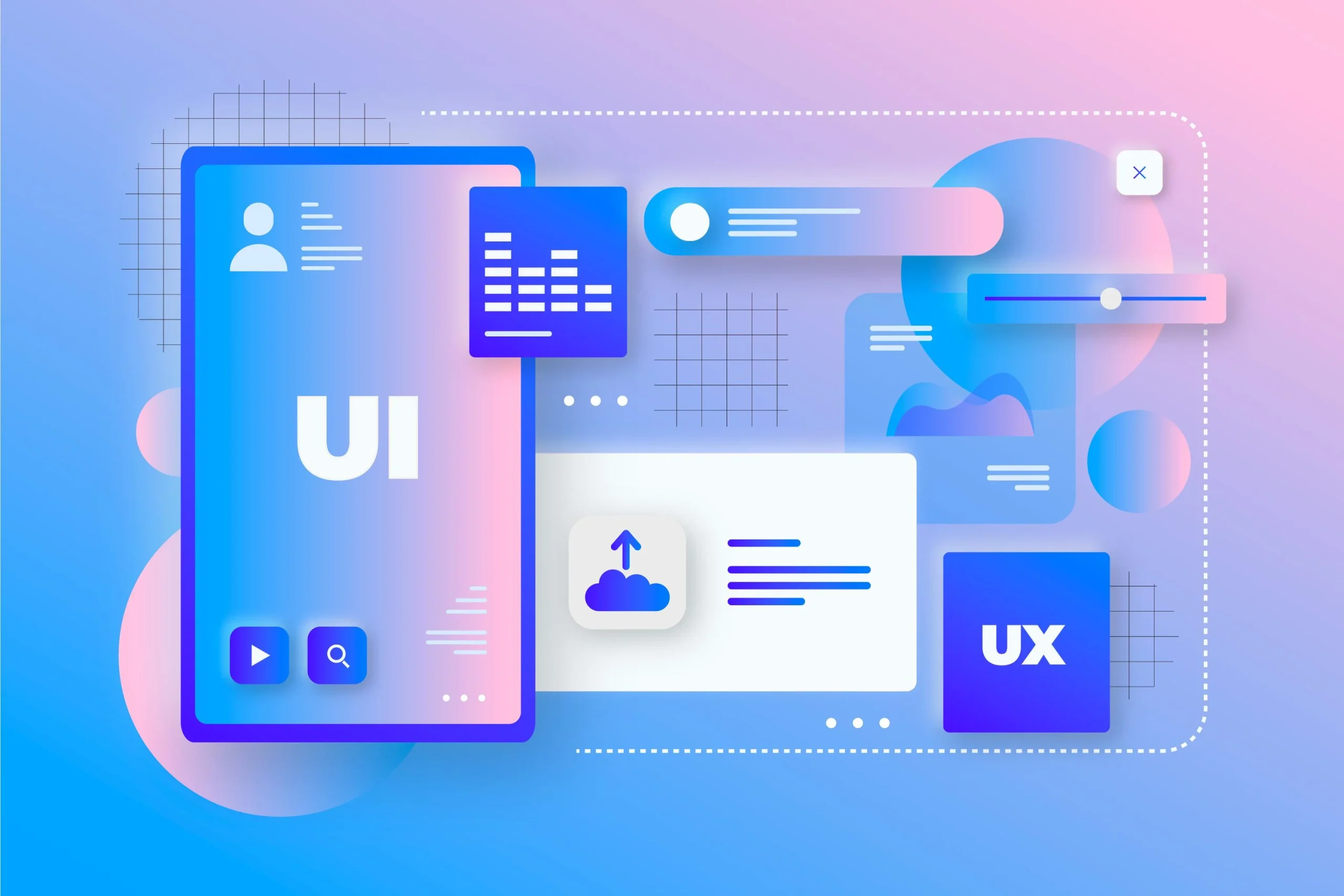
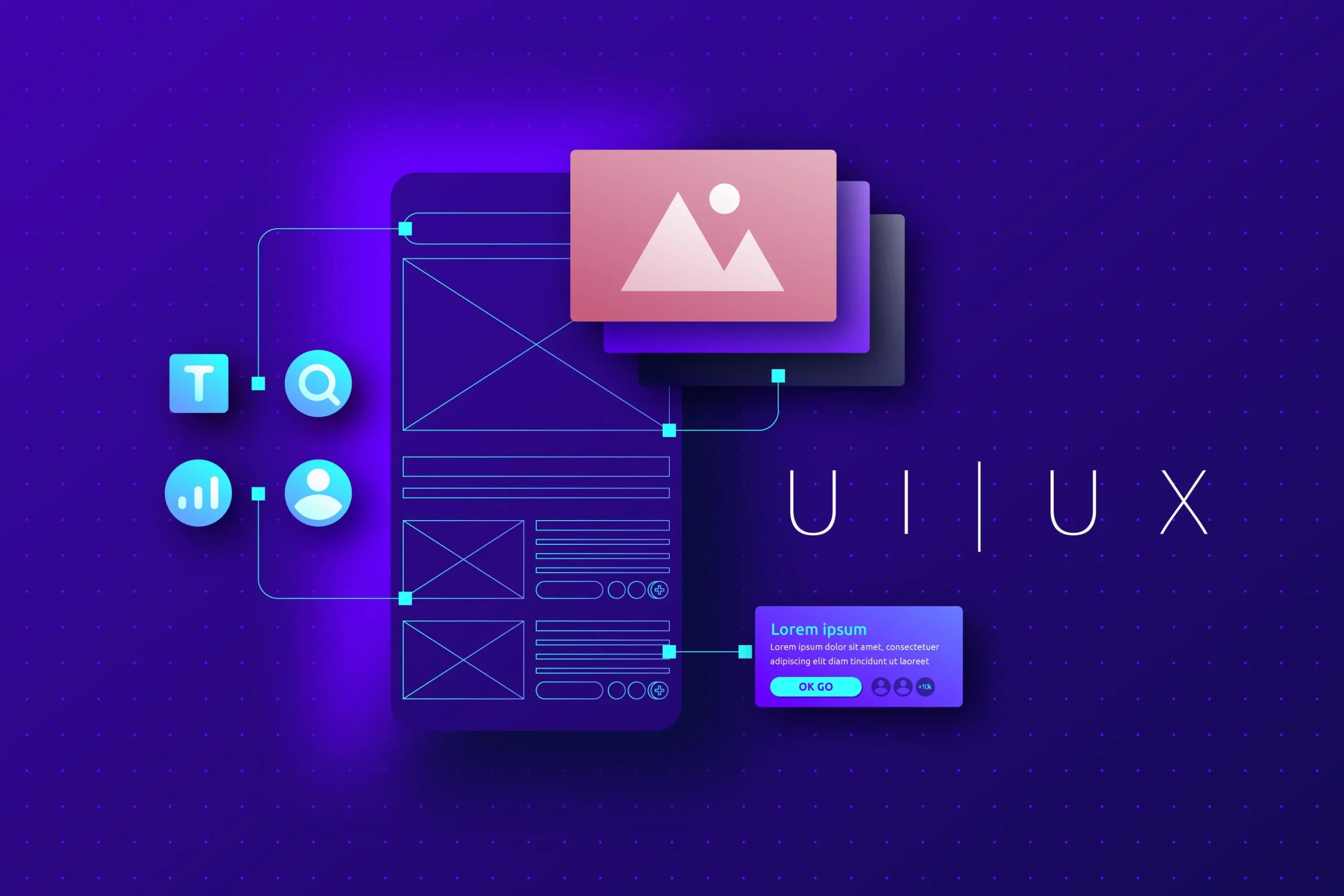
UI/UX focuses on how users interact with the product. UX shapes the structure. UI shapes the appearance. Together, they create the experience that users feel each time they open an app or platform.
UX responsibilities include:
- Building user flows
- Defining navigation paths
- Organizing screens into clear steps
- Identifying friction or confusion
- Preparing interaction logic
UX removes uncertainty by making sure each step feels natural.
UI responsibilities include:
- Creating layouts
- Selecting colors, icons, and visual styles
- Designing buttons, cards, and input fields
- Preparing responsive versions for multiple devices
- Ensuring consistency across screens
UI gives the product an identity. It guides users visually through the structure defined by UX.
UI/UX also includes usability testing. This testing shows how real users interact with the prototype. When users hesitate or take the wrong path, designers adjust the flow until it feels comfortable.
Key Differences That Matter for Digital Teams
Both disciplines contribute to success, but they solve different problems.
Product design focuses on:
- Purpose
- Market fit
- Feature planning
- Strategy
- Long-term evolution
UI/UX focuses on:
- How users move through the product
- How screens are arranged
- How information appears
- How interactions feel
Teams that skip product design often create products that look good but lack direction. Teams that skip UI/UX often get products that have purpose but feel confusing. Both are needed to create a complete digital experience.
How the Two Work Together in Real Projects
A strong workflow begins with product design. This step gives the team a full understanding of goals and user expectations. Once this stage is clear, UI/UX builds the visual and interactive layer.
At Arhpez Technologies, we follow a structured process:
Discovery and Research
We study the idea, explore the audience, and define the problem.
Feature and Scope Planning
We outline which features belong in the first release and how they interact.
UX Flow Planning
We turn the concept into structured journeys that users can follow.
UI Design
We create layouts, visual systems, and interaction rules.
Testing and Refinement
We test flows and update designs based on feedback.
This sequence keeps projects stable, reduces repeated work, and gives developers clear instructions during buildout.
Why Strong Digital Teams Use Both
Digital products do not succeed on visuals alone. They also cannot rely only on strategic planning. Real success comes when both fields support each other throughout the product lifecycle.
Benefits of combining both:
- Stronger usability
- Clearer development requirements
- Lower risk of project changes
- Higher adoption rates after launch
- Better long-term adaptability
A digital product design company that offers both product design services and ui/ux design services can guide teams through early planning, interface creation, testing, and ongoing improvement.
Conclusion
Product design and UI/UX form the two pillars of a successful digital solution. Product design builds the vision. UI/UX builds the experience. Both shape how users interact with technology and how businesses present themselves in the digital market. At Arhpez Technologies, we help teams link these areas together through structured product design services and ui/ux design services that support the entire lifecycle of a digital project. Reach out to plan and design your next digital product.
Frequently Asked Questions
Is product design the same as UI/UX?
No. Product design focuses on the overall direction, while UI/UX builds the interaction and visual experience based on that direction.
Can UI/UX replace product design?
UI/UX cannot replace product-level planning. Products without a strategy often face structural issues later.
Do digital products benefit from ongoing product design?
Yes. Product design helps refine features, adjust direction, and improve user satisfaction after launch.
How does a digital product design company support UI/UX work?
It provides the research, structure, and planning that UI/UX designers need to create consistent and user-friendly layouts.
What makes UI/UX important for digital teams?
UI/UX clarifies how users interact with the product, reduces confusion, and supports higher engagement.